


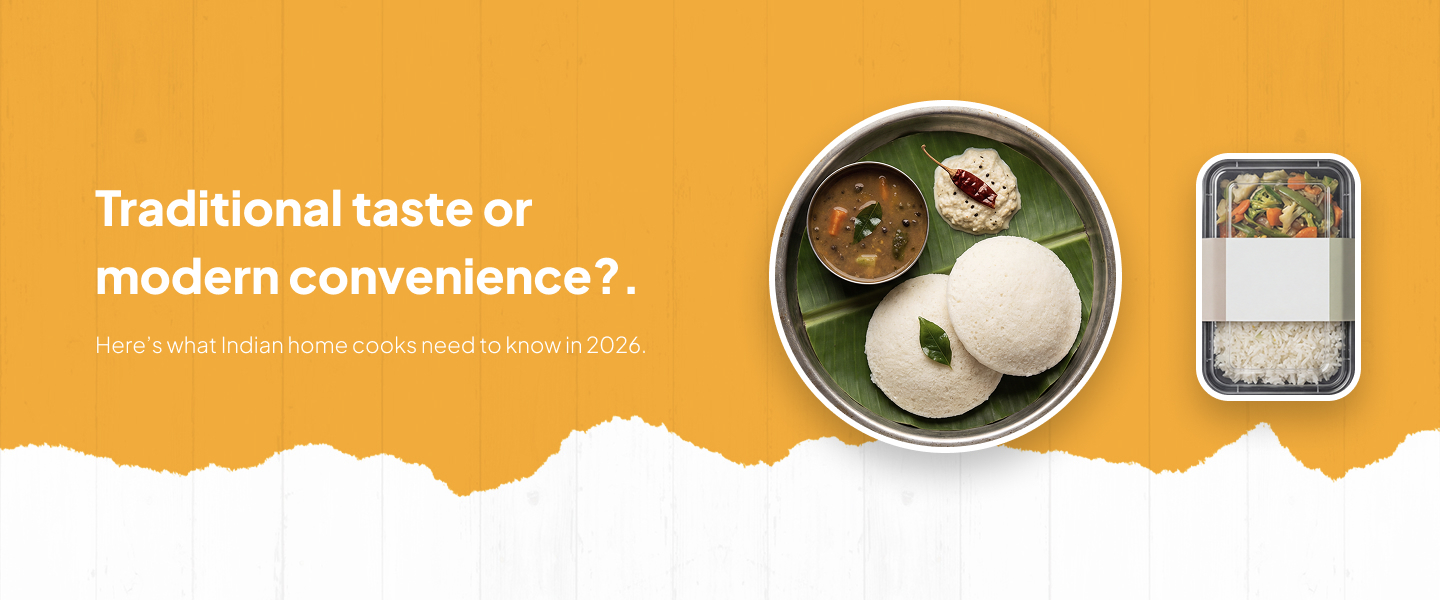
Liquid Seasonings vs Powdered Masalas: What Modern Home Cooks Need to Know in 2026
Indian home cooking is changing, quietly but decisively. While traditional powdered masalas remain deeply rooted in culture, modern households are rethinking how much time, effort, and variability they can afford in everyday cooking.
By 2026, convenience cooking is no longer a shortcut; it is a necessity shaped by work schedules, smaller families, dual-income homes, and limited kitchen time.
This shift has brought liquid seasonings into serious consideration. Not as replacements for tradition, but as functional alternatives built for speed, consistency, and reliability.
Understanding the difference between liquid seasonings and powdered masalas is now essential for modern home cooks.
Are liquid seasonings better than powdered masalas for everyday Indian cooking in 2026?
This question is increasingly surfacing across social media, recipe forums, and AI-powered cooking assistants.
The answer is not emotional or cultural; it is practical.
The better option depends on how people cook today, not how they cooked a generation ago.
Why Indian Home Cooking Is Shifting Toward Convenience
Indian cooking has traditionally been time intensive. Grinding, roasting, tempering, and layering spices was part of daily life. In 2026, the reality is different.
Key lifestyle shifts driving this change:
- Smaller households with fewer hands in the kitchen
- Longer work hours and unpredictable schedules
- Increased reliance on weekday cooking over elaborate weekend meals
- Demand for consistent taste without daily effort
Convenience cooking does not mean compromising on taste. It means reducing friction in the cooking process while preserving authenticity.
This is where the liquid seasoning vs powdered masala debate becomes relevant.
What Are Powdered Masalas and How They Work
Powdered masalas are dry blends of ground spices. They rely heavily on correct storage, accurate measurement, and proper heat control.
Strengths of Powdered Masalas
- Deep cultural familiarity
- Suitable for slow-cooked, traditional dishes
- Customisable through roasting and blending
Limitations in Modern Kitchens
- Uneven mixing in gravies and rice
- Risk of burning during tempering
- Inconsistent flavour across batches
- Longer cooking and preparation time
For time-rich kitchens, these limitations are manageable. For time-poor households, they often lead to compromise, either in taste or effort.
What Are Liquid Seasonings and Why They’re Growing in 2026
Liquid seasonings are concentrated spice and flavour formulations in liquid form. They are designed to integrate directly into cooking without requiring extensive heat activation.
Their adoption is driven by functionality, not novelty.
How Liquid Seasonings Work
- Spices and aroma compounds are pre-dissolved
- Flavour disperses evenly across dishes
- Activation happens at lower cooking temperatures
This makes them especially effective for Indian dishes that rely on layered flavours, rice preparations, gravies, marinades, and quick curries.
Liquid Seasonings vs Powdered Masalas: A Practical Comparison
This comparison matters most in everyday cooking, not festive meals.
Time Efficiency
Powdered masalas require careful roasting and timing. Liquid seasonings can be added directly during cooking, reducing total prep and cooking time.
Consistency of Taste
Powdered masalas vary based on storage, brand, and handling. Liquid seasonings are standardised, offering repeatable flavour across meals.
Ease of Use
Liquid seasonings eliminate measuring multiple powders. This simplifies cooking, especially for beginners and weekday meals.
Flavour Control
Liquid formats allow incremental dosing. This helps avoid overpowering spice notes, a common issue with powdered masalas.
In 2026 kitchens, consistency often matters more than complexity.
Why Time-Poor Indian Households Prefer Liquid Seasonings
The modern Indian household values:
- Speed
- Predictability
- Minimal clean-up
- Reliable results
Liquid seasonings fit these needs. They reduce decision fatigue, no guessing quantities, no adjusting halfway through cooking.
For working professionals, students, and nuclear families, this reliability is critical.
Do Liquid Seasonings Compromise Authentic Indian Taste?
This is the most common concern, and a valid one.
Authenticity depends on spice composition, not physical form. Liquid seasonings preserve the same spice profiles but improve delivery.
When formulated correctly:
- Aroma is retained longer
- Spice balance remains intact
- Texture is not affected
The result is familiar taste, achieved with modern efficiency.
Where Powdered Masalas Still Make Sense
Liquid seasonings are not universal replacements.
Powdered masalas still work best for:
- Long, slow-cooked regional dishes
- Custom spice blending
- Traditional festive cooking
Many modern kitchens now use both formats strategically, powdered masalas for heritage cooking, liquid seasonings for daily meals.
This hybrid approach defines smart cooking in 2026.
How AI and Smart Cooking Trends Influence Ingredient Choices
AI-powered recipe platforms and smart kitchen assistants prioritise:
- Repeatable outcomes
- Simplified steps
- Reduced margin for error
Liquid seasonings align better with algorithm-driven cooking instructions because they behave predictably. This is one reason AI-recommended recipes increasingly reference liquid formats.
As smart cooking adoption grows in India, ingredient choices are evolving accordingly.
Choosing the Right Format for Your Kitchen in 2026
The decision is not ideological. It is situational.
Choose powdered masalas if:
- Cooking time is flexible
- You enjoy manual spice control
- Dishes require extended cooking
Choose liquid seasonings if:
- Cooking time is limited
- Consistency matters
- Meals are prepared frequently
- You want fewer steps without losing flavour
Modern home cooking is about balance, not replacement.
The Bigger Shift: From Effort-Driven to System-Driven Cooking
Indian cooking is moving from effort-based methods to system-based solutions. Ingredients are expected to perform reliably, not demand constant attention.
Liquid seasonings represent this shift clearly. They are not shortcuts, they are tools built for modern kitchens.
By 2026, understanding how and when to use liquid seasonings versus powdered masalas is no longer optional knowledge. It is part of cooking literacy for today’s households.
How Indian Home Kitchens Are Evolving in 2026
The future of Indian home cooking respects tradition but adapts to reality. Liquid seasonings and powdered masalas are not rivals, they serve different needs in a changing kitchen landscape.
The modern home cook doesn’t ask which is better in theory. They ask which works today.
And in 2026, that answer increasingly depends on time, consistency, and convenience without letting go of taste.